Root Canal Treatment is a specialized dental procedure aimed at treating infections or damage within the tooth’s pulp—the innermost layer containing nerves, blood vessels, and connective tissues. When the pulp becomes inflamed or infected, it cannot heal on its own. Without intervention, the condition worsens, often leading to abscess formation and other complications.
By removing the infected pulp, cleaning and shaping the root canals, and sealing the space, the treatment preserves the natural tooth structure, allowing it to function as intended. This procedure is a cornerstone of restorative dentistry, enabling patients to retain their original teeth rather than resorting to extractions and replacements.
Identifying who requires Root Canal Treatment involves understanding the causes and risk factors that lead to pulp damage. Below are the most common scenarios where this treatment becomes necessary:
Dental cavities that go untreated can penetrate the enamel and dentin layers, eventually reaching the pulp. Once bacteria invade this sensitive area, inflammation or infection sets in, necessitating a root canal to save the tooth.
A crack or chip in a tooth can expose the pulp to harmful bacteria. Even micro-fractures invisible to the naked eye can create pathways for infection, requiring immediate attention.
A blow to the face or a severe injury can damage the pulp even if the outer structure of the tooth appears intact. Such trauma can lead to internal bleeding or nerve damage, making a root canal essential.
Teeth that have undergone multiple treatments, such as fillings or crowns, may experience pulp inflammation due to continuous irritation. This condition, known as pulpitis, often necessitates a root canal.
Advanced gum disease, or periodontitis, can cause infections to spread to the tooth’s roots, impacting the pulp. In such cases, a root canal becomes part of the comprehensive treatment plan.
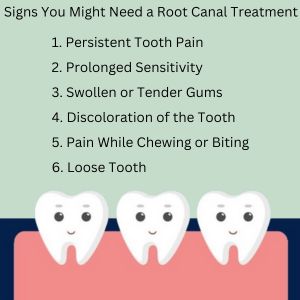
Recognizing the early signs of pulp damage can help prevent further complications. While some symptoms are subtle, others are more pronounced. Here are the key indicators that suggest you might need Root Canal Treatment:
Pain that lingers or worsens over time is often a hallmark of pulp damage. This discomfort may radiate to the jaw, ear, or other teeth, making it challenging to pinpoint the exact source.
Sensitivity to hot or cold foods and beverages that persists long after exposure is a classic sign of an underlying issue. This symptom occurs when the pulp is inflamed or infected.
Swelling or tenderness near the affected tooth indicates that the infection may have spread to the surrounding tissues. Gum abscesses, marked by small pus-filled pockets, are a serious indicator.
A tooth that becomes darker over time may have damaged blood vessels or nerves within the pulp. This discoloration is a warning sign that should not be ignored.
Sharp pain during chewing or biting could indicate that the tooth’s inner structure is compromised. This symptom often points to an issue that requires immediate intervention.
An infected or damaged pulp can weaken the root’s support system, causing the tooth to feel loose. If untreated, this can lead to tooth loss.
Delaying Root Canal Treatment can have severe consequences. The infection may spread beyond the tooth, leading to abscesses, bone loss, and even systemic health issues. Moreover, the affected tooth may become unsalvageable, necessitating extraction and costly restorative procedures.
Seeking treatment from a trusted dental clinic ensures that complications are addressed promptly and effectively. Early intervention is key to preserving your natural teeth and avoiding long-term issues.
Modern Root Canal Treatment is a precise, minimally invasive procedure that prioritizes patient comfort. Clinics utilize advanced technologies and techniques to ensure optimal outcomes. Here’s a step-by-step overview:
The process begins with a thorough examination and imaging to assess the extent of damage or infection.
Local anesthesia is administered to numb the affected area, ensuring a pain-free experience.
A small opening is created in the tooth to access the pulp chamber. The damaged pulp is carefully removed, and the root canals are cleaned and shaped.
The canals are disinfected to eliminate any lingering bacteria. They are then filled with a biocompatible material called gutta-percha and sealed.
A custom-made crown is placed over the treated tooth to restore its strength and functionality. Clinics specialize in crowns that blend seamlessly with natural teeth.
Opting for Root Canal Treatment offers numerous benefits, including:
The success of Root Canal Treatment depends significantly on the expertise of the dentist and the quality of care provided offers unparalleled advantages:
Root Canal Treatment is an essential procedure that saves teeth, alleviates pain, and prevents further health complications. Recognizing the early signs and seeking timely intervention can make all the difference in preserving your natural smile. Choosing the right clinic is equally important. With its expertise, advanced technology, and patient-centered approach, for Root Canal Treatment in Gurgaon. Whether you’re experiencing discomfort or simply seeking expert advice, their dedicated team is here to help.